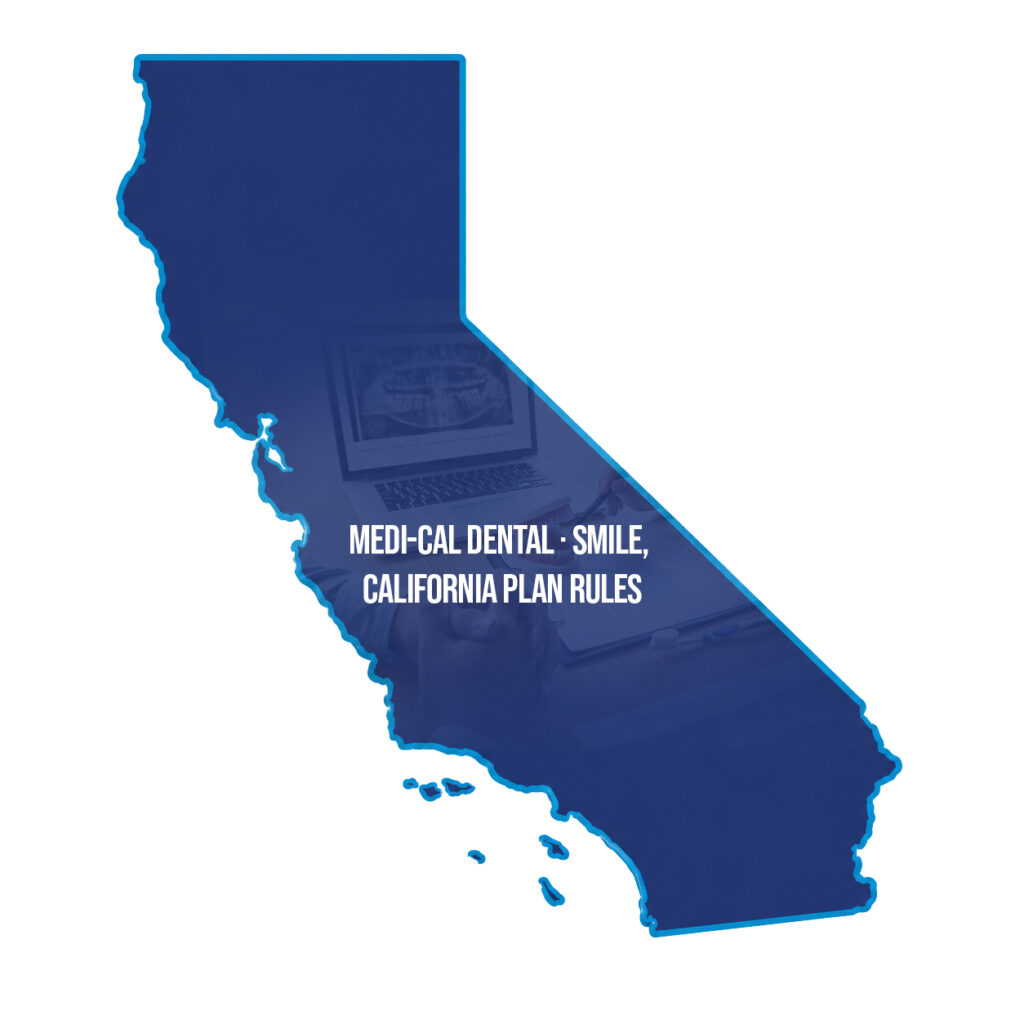
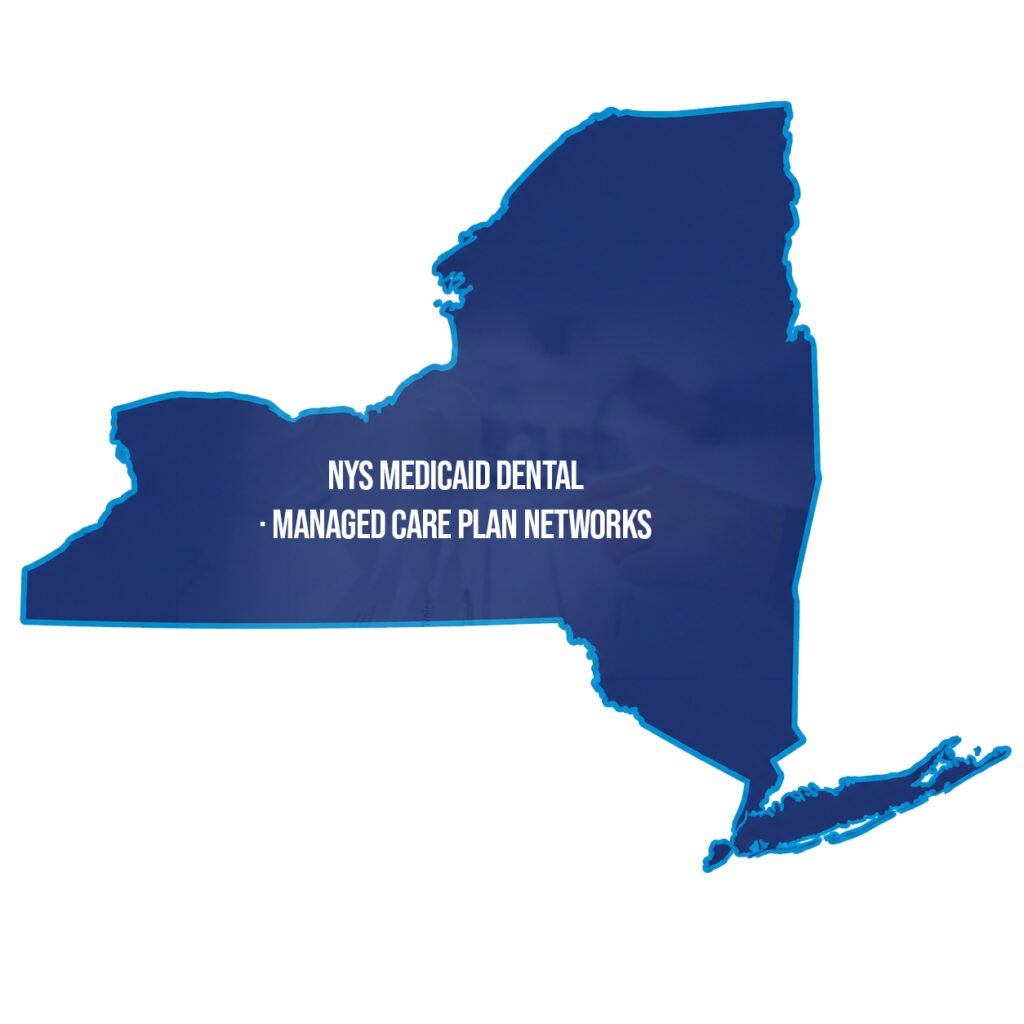




















More than 70% of Americans carry dental benefits, according to the National Association of Dental Plans. Coverage volume keeps rising while payer rules multiply. Medicaid dental programs, CHIP plans, dental benefit managers, and commercial carriers each adjudicate by separate rulebooks, and each one denies differently.
One O Seven RCM runs dental billing as full revenue cycle ownership. A single team owns eligibility, coding, submission, denial recovery, AR follow-up, and posting. Government dental programs get the same operational depth as commercial plans, because that’s where most billers fall apart.
No long-term contracts, no black-box reporting, and no surprises in the monthly statement. Month-to-month engagements, earned every cycle.
Dental payers don’t share one adjudication standard. Select your dominant payer type below and see exactly how that program denies, and exactly what we do to overturn it.
Medicaid dental looks simple from the outside. Low fee schedules, high documentation load, short deadlines. Fewer than half of US dentists participate, according to the ADA Health Policy Institute, partly because the administrative burden eats the margin.
The burden is operational, which means it’s solvable. We run state Medicaid dental claims on dedicated queues with the filing clock, the periodicity schedule, and the documentation rules loaded before the first claim goes out.
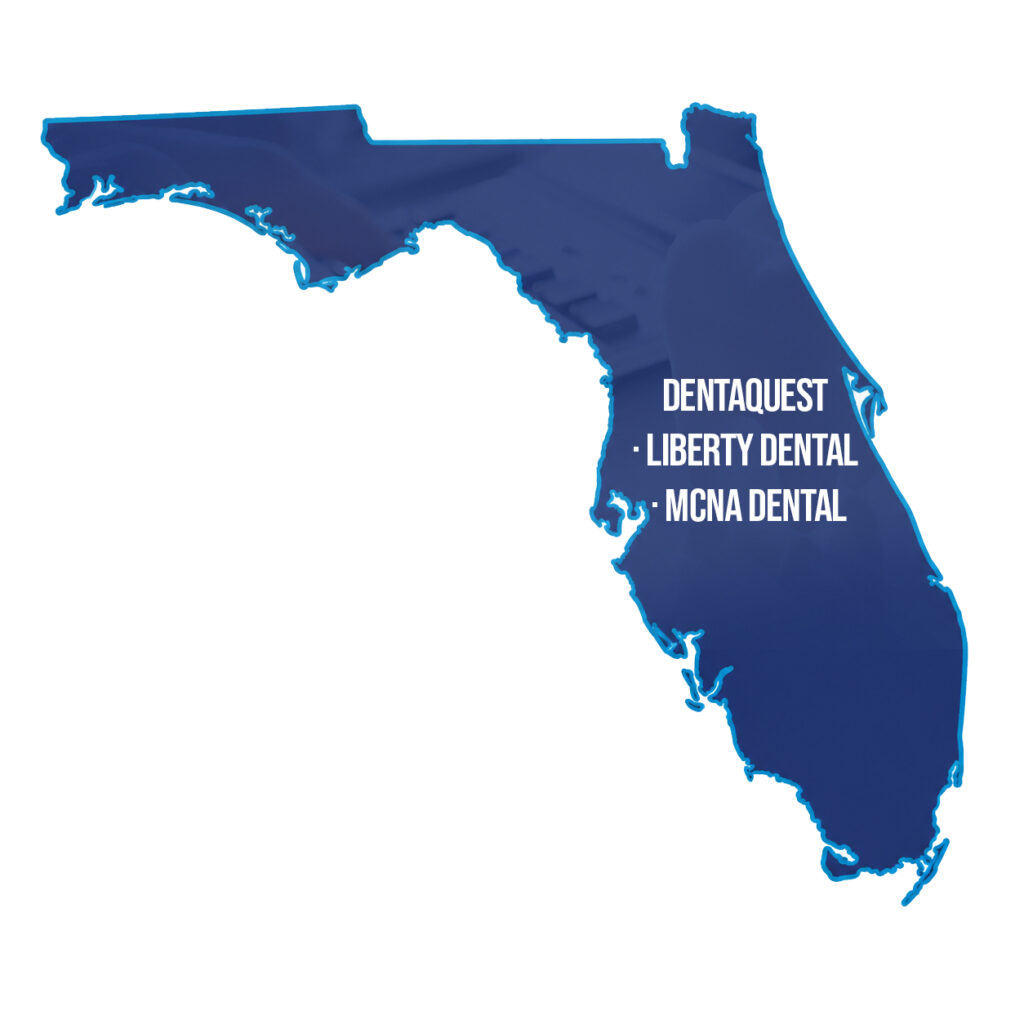
DentaQuest, MCNA Dental, Avesis, LIBERTY Dental, and SKYGEN administer Medicaid dental for dozens of states. The state contract changes, the DBM changes, and your billing workflow has to change with it. Practices that bill DBMs like commercial plans watch denials climb.
We treat each DBM as its own payer with its own playbook. Assignment verification, auth grids, portal edits, and appeal pathways stay mapped per plan per state, so the claim enters the right system the first time.
Children move between Medicaid and CHIP as household income shifts. A sealant that paid under Medicaid in March can deny under CHIP in May for a periodicity conflict. The codes didn’t change. What changed was the program.
We track program assignment as a living data point, member by member, month by month. Claims route to the active program with the active schedule applied, and transition denials get appealed with the eligibility record attached.
A paid claim isn’t the same thing as a fully paid claim. Commercial dental plans rely on practices accepting whatever posts. Most front offices don’t have time to re-check the math on every explanation of benefits, and the plans know it.
Our posting workflow re-checks it on every claim. Downgrades, bundles, and COB games get flagged the day they post, then worked through the plan’s own appeal pathway with documentation attached.
Original Medicare pays for almost no routine dental care, so the benefit lives inside Medicare Advantage plans as a supplemental allowance with its own cap, its own network, and its own rules. Dual-eligible members add a Medicaid layer underneath it.
We map the payer stack per member and bill it in order. When a dual-eligible claim bounces between programs, the appeal carries the eligibility record and the payer-order documentation that forces an answer.
Full-cycle dental billing means a single accountable team runs every step in sequence. Handoffs between vendors are where claims die. Every step below connects to the next one, and one operation owns the whole chain.
Coverage gets verified before the visit, with program assignment, remaining benefits, and plan limitations captured at scheduling. Medicaid churn and DBM reassignment get caught at this step, before they becom
Certified coders translate clinical notes into complete CDT claims with charges entered the same day. Anything undocumented routes back to the provider before submission, so claims leave clean on the first pass.
Claims get scrubbed against payer-specific edits, attachment requirements, and program rules before they leave. Submission runs daily across FFS portals, DBM systems, and clearinghouses, never in weekly batches that age your money.
Every denial gets worked by root cause through the program's own appeal pathway. Our overturn rate runs 87% against an industry average near 50%, because payer playbooks drive every appeal we file.
Unpaid claims get pursued on a fixed weekly cadence with escalation built in. Anything approaching a filing deadline jumps the queue, and no-response claims move to direct payer escalation, not a report.
Payments post with line-level reconciliation the day remittances arrive, and patient balances route to statements on schedule. Monthly reporting reads like a financial command document, with denial patterns and payer performance visible.
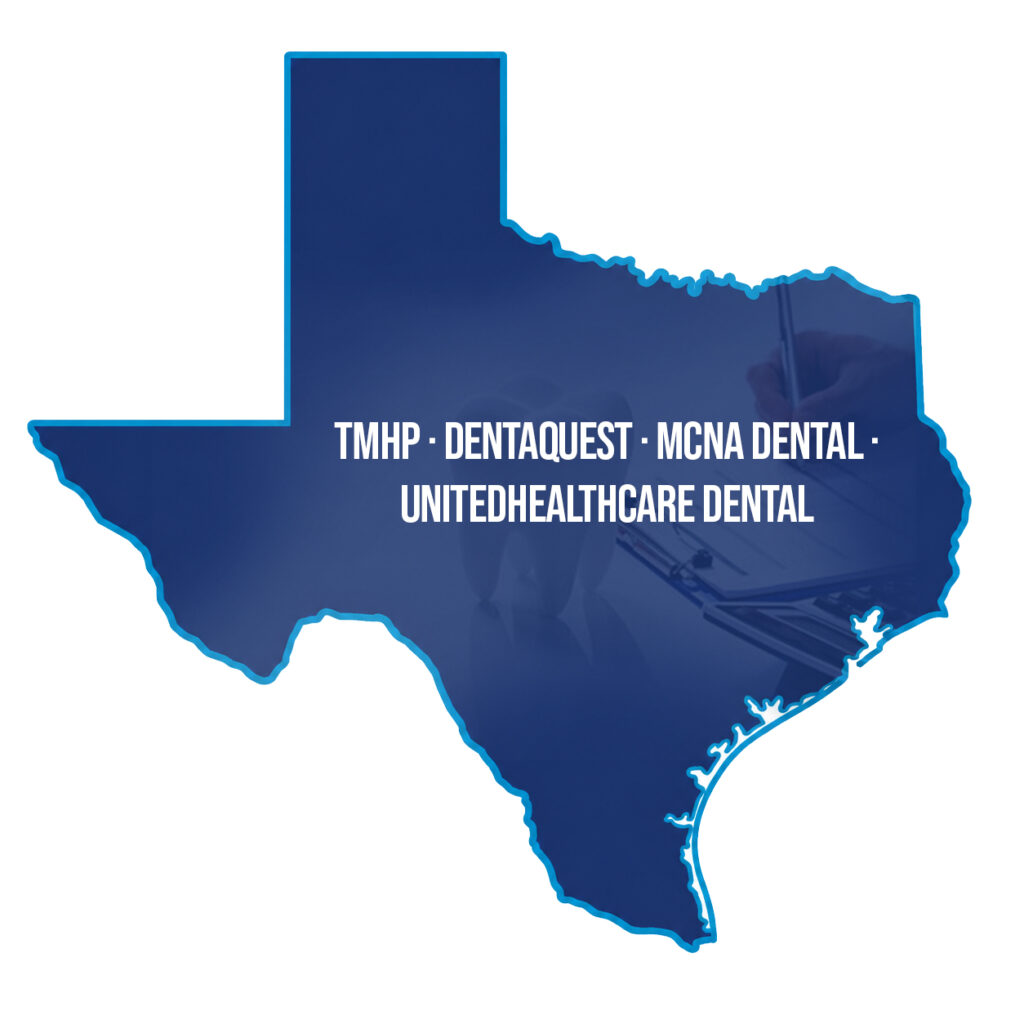
A procedure that pays clean in one state’s Medicaid dental program denies in the next state for a missing attachment. Filing deadlines, periodicity schedules, and DBM assignments all shift at the state line. We bill dental claims with each state’s rulebook already loaded.
Your front desk spent months learning your PMS, and we won’t ask anyone to change it. One O Seven billing specialists work inside your existing system from day one, from Dentrix to Open Dental, submitting cleaner claims and catching denials before they cost you.
Practices that switch to One O Seven see collections climb and denials drop. Reviews below come from providers who finally got paid what they earned.
"I'd been trying to get credentialed with Aetna and BCBS for four months before finding One O Seven RCM. My dedicated specialist caught three taxonomy errors in my CAQH profile that nobody had flagged. We were approved with both payers in 11 weeks. The biweekly updates made the whole process feel manageable for the first time."
"I'd tried twice to get paneled with UnitedHealthcare and kept hitting the same wall. One O Seven RCM ran a pre-submission audit and found my behavioral health application had been submitted to the wrong division both times. They resubmitted correctly and I was approved in eight weeks. That's the difference a real pre-submission audit makes."
"We were opening locations in Texas and Florida simultaneously and needed credentialing in both states at the same time. One enrollment manager handled everything, coordinated both state Medicaid applications, and had our billing system ready the day our first contract arrived. We didn't lose a single billing day in either location."
We have been utilizing One O Seven for credentialing services for about a year now and are very happy. The communication is solid and they have been quite nimble with developing a collaborative workflow optimized to our business needs. We are a four location PT practice that recommends them to anyone looking to outsource their physical therapy credentialing.
Last year, I started using One O Seven for my billing services, for my Physical Therapy clinic. I gave them access to our EMR software and they work directly in my EMR for claims submissions, tracking claims status, and following up with payers to track down rejected and denied claims to increase our revenue. At a very reasonable billing rate, they are well worth the expense to make sure we have a steady driver with insurance verification, obtaining and tracking prior authorization, claims submissions, claims tracking, and proper recording of payer payments. They also offer credentialing services, which I have used as I onboard new providers to my busy clinic. In addition to handling our own billing, we use to take care of credentialing in-house, but I noticed a huge stress relief on my front desk when I switched to using One O Seven instead, not to mention that our revenue increased significantly without as many lost claims due to unnecessary denials/rejections. They are very responsive and communicate with my front desk to take care of anything we need from our patients to make sure claims are paid. I can't recommend their billing and credentialing services enough!
Alternative Therapy Inc., a Professional Counseling Service, is a 22-year-old mental health practice in Hamden, CT. We have been with One O Seven RCM and Mark for over a year, The experience has been a really good, and I wholeheartedly recommend them to anyone seeking their services, Dr. Avila and Staff.
Yes. Government dental programs are a core lane, not an afterthought. We bill state Medicaid fee-for-service, Medicaid managed care through dental benefit managers, and CHIP dental across all 50 states, with each program’s filing deadlines, periodicity schedules, and documentation rules loaded per state.
Each DBM gets treated as its own payer. Member assignment gets confirmed monthly, authorization grids stay current per plan per state, portal rejections get worked as a daily queue, and appeals follow each DBM’s specific pathway instead of a generic template.
Filing limits vary by payer and program. Commercial dental plans commonly allow 90 to 365 days, while Medicaid programs run shorter, with Texas Medicaid requiring receipt within 95 days of the date of service. We run submission queues against each clock daily.
EPSDT is the federal Medicaid benefit guaranteeing screening, diagnostic, and treatment services for members under 21, including dental. It carries its own documentation and periodicity requirements. Claims for young Medicaid members that ignore EPSDT rules deny, and we build those rules into every claim.
Payer order follows the plan rules, with the birthday rule deciding the primary plan for most dependents. We establish the order before submission, bill the primary first, attach the primary remittance to the secondary claim, and keep both plans from stalling on each other.
Required attachments get identified at claim build, not after a denial. Radiographs, periodontal charting, and narratives load with the original submission per each payer’s documentation rules, and any denial that misreads the documentation gets appealed with the full record attached.
Yes. Billing runs inside the PMS your team already uses, with no platform migration and no parallel system. Integration completes during onboarding, and your front desk keeps its existing workflow while our team handles claims behind it.
No. Every engagement runs month-to-month with 30-day notice, no setup fees, and no cancellation penalties. Practices stay because collections improve, not because a contract traps them. The relationship gets earned every cycle through measurable performance.
System integration completes within 48 hours for most practices, and the first batch of clean claims goes out within 72 hours of completed onboarding. Most dental practices move from signed agreement to first submission in under five business days.
Denials get worked by root cause within the program’s own appeal pathway, with documentation standards matched to the payer. Our appeal overturn rate runs 87% against an industry average near 50%, and denial patterns feed back into front-end prevention.
One O Seven’s billing specialists will answer them, and the free audit gives you the data to decide with confidence, not guesswork.
A complete review of your dental claims, denial causes, and payer mix across every program you bill, delivered within five business days. Texas-based RCM. All 50 states. AAPC-certified.